
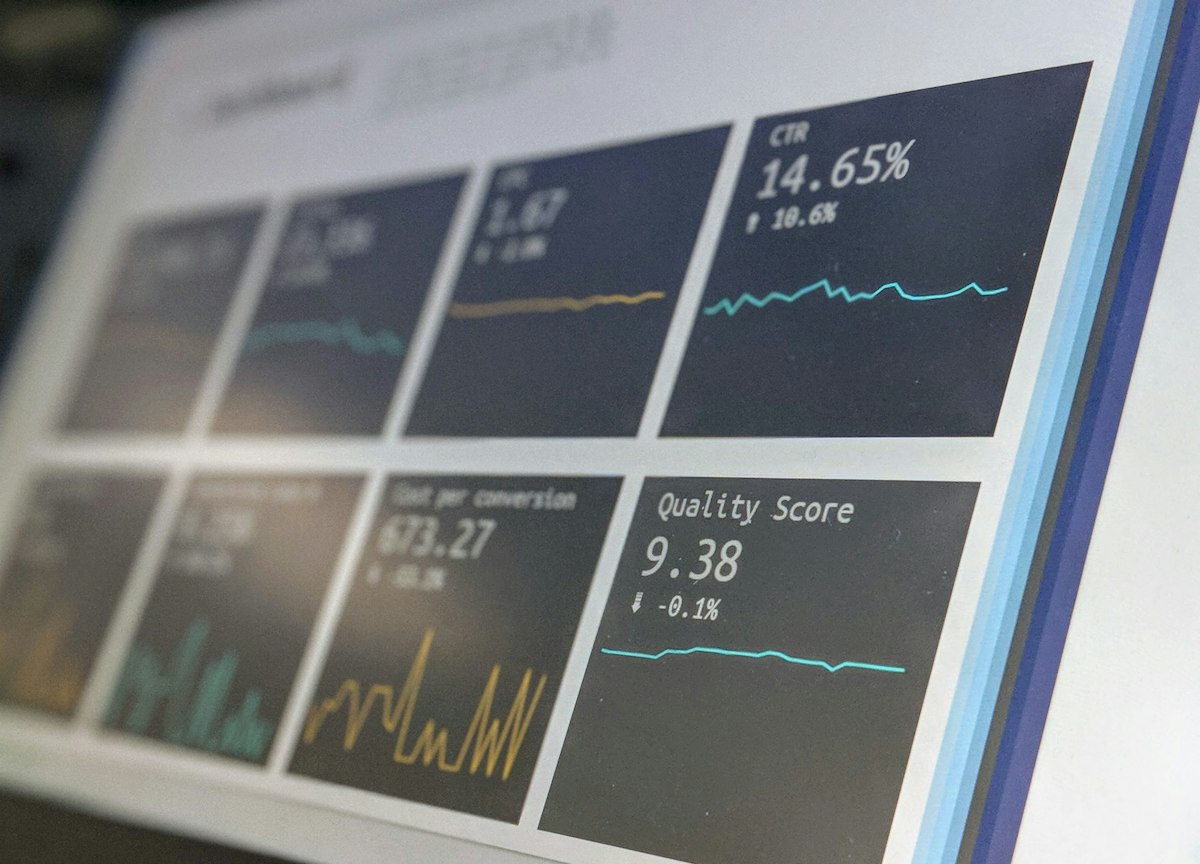
Most buildings install solar or LED lighting and then wonder why the savings don't show up on the bill. The answer is almost always the same: nobody measured first.
The invisible waste problem
Commercial buildings routinely consume more energy than they need to — through equipment left running overnight, HVAC systems that fight themselves, poor tariff timing, and demand peaks that inflate bills far beyond actual consumption.
None of this is visible without data. You cannot optimise what you cannot see.
When the baseline is wrong
The instinct is to deploy technology — solar panels, LED retrofits, heat pumps — and assume the bill drops. Sometimes it does. Often it doesn't, or not by as much as the vendor's modelling suggested.
When that happens, the cause is usually one of three things:
- The baseline was wrong — the vendor modelled from benchmark data, not your actual building
- The technology was sized for a consumption profile that doesn't match reality
- A different problem was causing most of the waste and the new kit didn't touch it
All three are solved by the same thing: measurement before investment.
Equipment that runs when it shouldn't
Overnight consumption is one of the most reliable indicators of avoidable waste. A building with a high overnight baseload — relative to its operating hours — is running equipment it doesn't need to run.
HVAC left in occupied mode. Refrigeration running hotter than necessary. Plant that was never properly commissioned. Server rooms drawing far more than their workload justifies.
These are addressable without capital expenditure in many cases. But they are invisible until you have circuit-level data.
Demand spikes that inflate bills
On many commercial electricity tariffs, a significant portion of the bill is determined by peak demand — the highest rate of consumption recorded during the billing period. A single short spike, even one lasting only a few minutes, can set the demand charge for the entire month.
Most building managers are unaware of when their peaks occur, what causes them, or how much they cost. Without half-hourly or sub-metered data, that information simply is not available.
What monitoring actually tells you
A properly installed monitoring layer gives you the data to make informed decisions rather than informed-sounding guesses.
Half-hourly consumption by circuit
Half-hourly or higher-resolution data shows exactly when and where energy is being used across the building. That granularity matters because aggregate figures — annual consumption, average monthly bills — hide the patterns that determine where savings are available.
Two buildings with identical annual consumption can have completely different profiles. One may run consistently across all hours. Another may concentrate most of its draw into a two-hour morning ramp. The right technology response to each is different.
Peak demand and what drives it
Monitoring makes demand peaks visible: when they happen, how often, how long they last, and what equipment causes them. That information is the starting point for demand management, whether through controls, scheduling adjustments, or — where justified — battery storage.
Without it, a battery is sized on guesswork. The economics of commercial battery storage are almost entirely driven by how well the system is matched to actual peak behaviour.
Idle and overnight load
The overnight baseline — what the building draws when it is not supposed to be operating — is one of the first things EKO19 looks at. For many commercial buildings it is higher than it should be, and addressing it costs far less than installing generation or storage.
A warehouse burning significant power overnight is not a solar problem. It is a controls and commissioning problem. Monitoring identifies which one applies.
Why sizing without data is expensive
Solar sized from benchmarks
A solar system sized from industry benchmarks for a building type rather than actual site data is typically mismatched to the real load profile. It may be oversized — adding capital cost and extending the payback period. Or it may be undersized — leaving generation capacity on the table.
More importantly, the timing of generation needs to match the timing of consumption. A building whose demand peaks during early morning — before significant solar generation is available — cannot benefit from solar the same way as one whose peak draw coincides with midday generation. Benchmark sizing cannot capture that distinction. Measured data can.
Battery storage without peak data
Battery storage is even more sensitive to the quality of the input data. The power capacity required to address a demand peak depends on how large that peak is, how long it lasts, and how often it occurs. The energy capacity required depends on the same.
Without measured data, you are specifying a battery for peaks you have not observed. The result is often a system that addresses a theoretical problem rather than the actual one.
What the data changes about the decision
With a measured demand profile, it becomes possible to separate the building's energy challenges into distinct categories: waste that can be eliminated through controls and behaviour, demand that can be shaped or shifted, generation that can be captured and used effectively, and any residual grid dependence that may warrant storage or flexibility services.
That sequence — understand, then reduce, then generate — tends to produce better commercial outcomes than starting with technology and working backwards.
EKO19's framework is built around this order. The Understand phase establishes the evidence base before any technology is specified or committed to.
Which buildings benefit most from monitoring first
Monitoring before investment is relevant to most commercial buildings, but some situations make it particularly important.
Sites with older plant or systems that have never been sub-metered will often have significant hidden waste that monitoring can surface quickly. Buildings that have already installed some technology but not seen the expected savings are strong candidates — the data will usually explain the gap. Portfolio owners managing multiple sites benefit from monitoring as a triage tool, directing capital toward the buildings where the opportunity is largest.
Manufacturing facilities, logistics operations, and mixed-use commercial buildings tend to have variable and complex demand profiles that are especially poorly served by benchmark-based assessments.
The EKO19 approach
EKO19 does not propose technology until the building is understood. That means starting with a monitoring layer — typically a combination of smart meters, sub-meters at key circuits, and where needed, sensors for occupancy and environmental conditions.
The monitoring period varies. A simple, consistently operated building may reveal its patterns in a few weeks. A manufacturing site, hotel, or seasonal operation may require a longer period to capture meaningful variation in demand.
At the end of it, EKO19 has a consumption model specific to that building. The recommendations that follow are built from those numbers, not industry averages. Which technologies will move the needle, by how much, and in what order — all of that comes from the data.
The assessment is free. The data is yours.
FAQ
What does energy monitoring tell you that a utility bill doesn't?
A utility bill shows total consumption and cost for a billing period. Energy monitoring shows when and where consumption occurs, at circuit level, in half-hourly or finer resolution. That granularity reveals demand peaks, overnight waste, occupancy patterns, and the specific equipment or systems causing inefficiency — information that is invisible in aggregate billing data.
How long does an energy monitoring phase take?
There is no fixed duration that suits every building. The aim is to capture representative operating conditions, including any material variation caused by occupancy cycles, production schedules, seasons, or other factors. A straightforward office or retail unit may produce useful data within a few weeks. A manufacturing facility, hotel, or site with strong seasonal variation typically needs longer.
Which commercial buildings benefit most from monitoring first?
Any building where significant capital investment in energy technology is being considered. In practice, the highest-value cases tend to be buildings with older plant, those that have already installed technology without achieving expected savings, and portfolios where monitoring can help prioritise which sites to invest in first.
Can energy monitoring reduce costs without capital investment?
Often, yes. Monitoring frequently identifies waste that can be addressed through controls changes, scheduling adjustments, or behavioural measures rather than new equipment. Overnight consumption is a common example — equipment running unnecessarily outside operating hours is often addressable without significant expenditure.
What is half-hourly energy data and why does it matter?
Half-hourly data records a building's electricity consumption in thirty-minute intervals across the day. It is the standard resolution for commercial smart meters in Great Britain and is the minimum needed to understand demand patterns properly. It reveals when demand peaks occur, how they vary across different days and seasons, and how much of the building's consumption falls in higher-priced tariff periods.
Should energy monitoring happen before solar or battery storage?
Yes, wherever possible. The commercial case for solar depends on how well generation timing matches the site's actual demand profile. The commercial case for battery storage depends critically on the size, timing, and frequency of demand peaks. Without measured data, both are sized against assumptions that may not reflect the building's real behaviour.
Start with the evidence
If you are considering any energy investment — solar, storage, LED retrofits, heat pumps — the most useful first step is establishing what your building actually does.
EKO19 can install a monitoring layer, analyse the data, and tell you which technologies will make a material difference and which ones won't before you commit to anything.